Understand the patterns
behind people, culture,
creativity, and connection.
Each map reveals the unseen forces shaping behavior, meaning, and impact across public figures, events, creative works, relationships, and archetypes.
CLOSED BETA — INVITE ONLY
The Cuban Missile Crisis
For thirteen days in October 1962, the world survived not primarily because of strategic genius but because several individuals on both sides made unilateral decisions to step back from procedures that would have ended civilization, which is the part of the story that the official histories have always struggled to tell.
Explore map →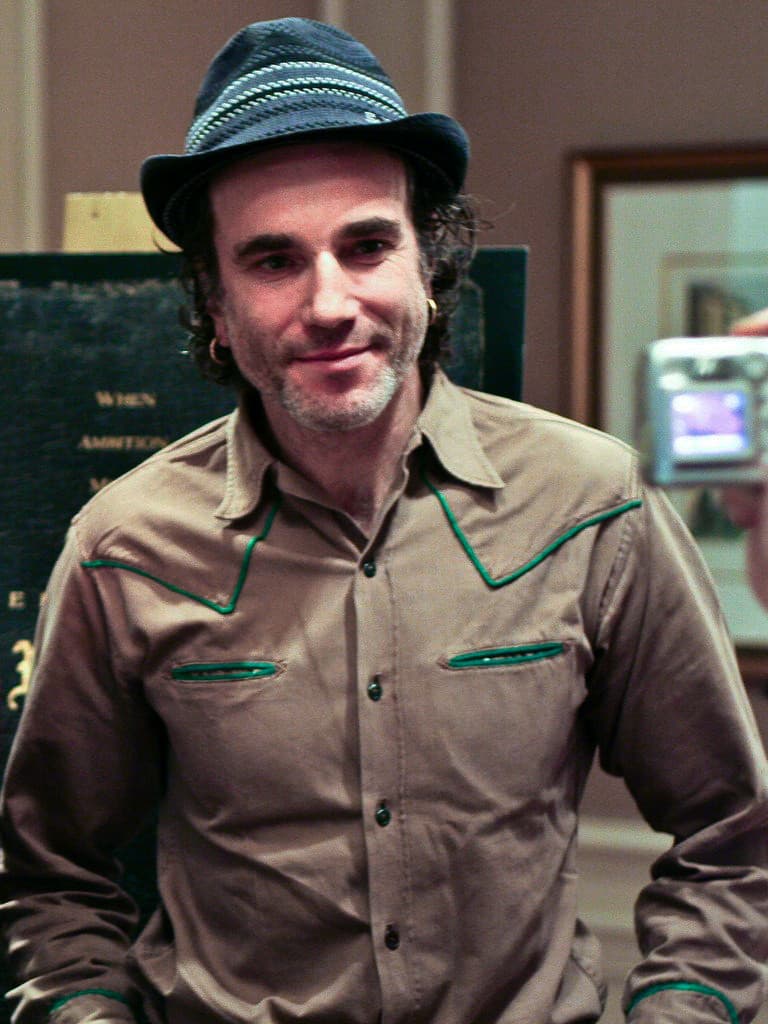
There Will Be Blood
Daniel Plainview is not the villain of There Will Be Blood. He is the endpoint. The film traces what instrumental attachment produces when it runs its full course without interruption: a man who has extracted everything available from every relationship he entered, is now alone with the extraction, and is genuinely unable to understand what people wanted from him all along. Paul Thomas Anderson made the film in near-silence for its first fifteen minutes. That silence is the argument.
Explore map →Browse by theme
View all maps →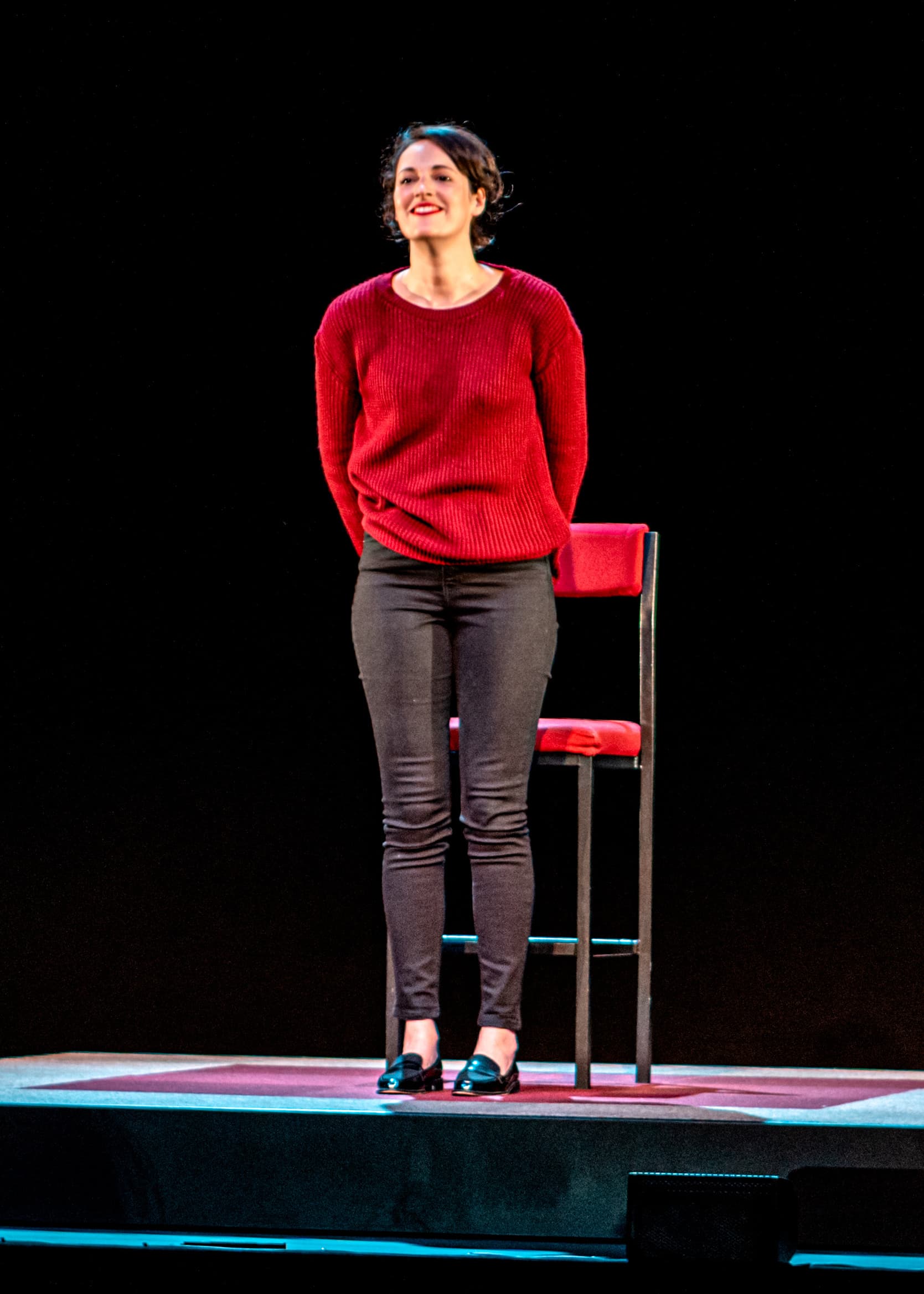
Fleabag (BBC, 2016-2019)
Fleabag does not break the fourth wall for laughs. She breaks it because the audience is the only relationship she has constructed to be safe: we cannot leave, we cannot be disappointed by her in the way people are disappointed, and we cannot know her well enough to see the thing she is most afraid of being seen. The direct address is not a comedic device. It is the architecture of avoidance.
Explore →The Salem Witch Trials
Salem is not a story about superstition. It is a story about what communities do with their anxiety when they cannot locate its source, and about the social functions that accusation serves when the accused have no reliable means of defense.
Explore →
The Perfectionist
Perfectionism is not a high standard. It is a survival strategy from an environment where mistakes had consequences, repurposed as a way of never fully arriving and therefore never having to be evaluated.
Explore →We do not map to judge.
We map to understand.
Thoughts, new maps, and cultural analyses.