Archetypes
26 mapsRecurring patterns that surface across people, eras, and cultures. The interior shapes that keep reappearing.

Bashar
This is not a map of a person. It is a map of a voice - what it reaches, where it stops, and what the stopping tells us. The channeling question is set aside. The voice is read as terrain.
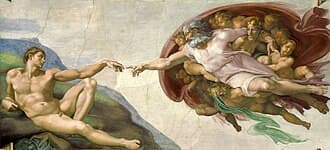
God (Christian)
The God of Christianity is the only deity in the major traditions who chose to become the thing he created, suffer inside it, and die. What that says about the nature of this conception of love is unlike anything else in the history of religion.

God (Hindu)
Hinduism produced the most psychologically sophisticated conception of God in human history: a divine that contains every contradiction, wears every face, and is simultaneously the ground of all existence and the one dancing inside it.

God (Jewish)
The God of Jewish tradition is the only deity in the major religious traditions who tolerates being argued with. That is not a minor feature. It is the entire relational architecture.

The Addict
The substance solved something real before it became a problem. It regulated an affect that had no other regulation available. The terrain reading of addiction always starts with the same question: what was this managing? Not: how do we stop it. What was it doing that nothing else could do?
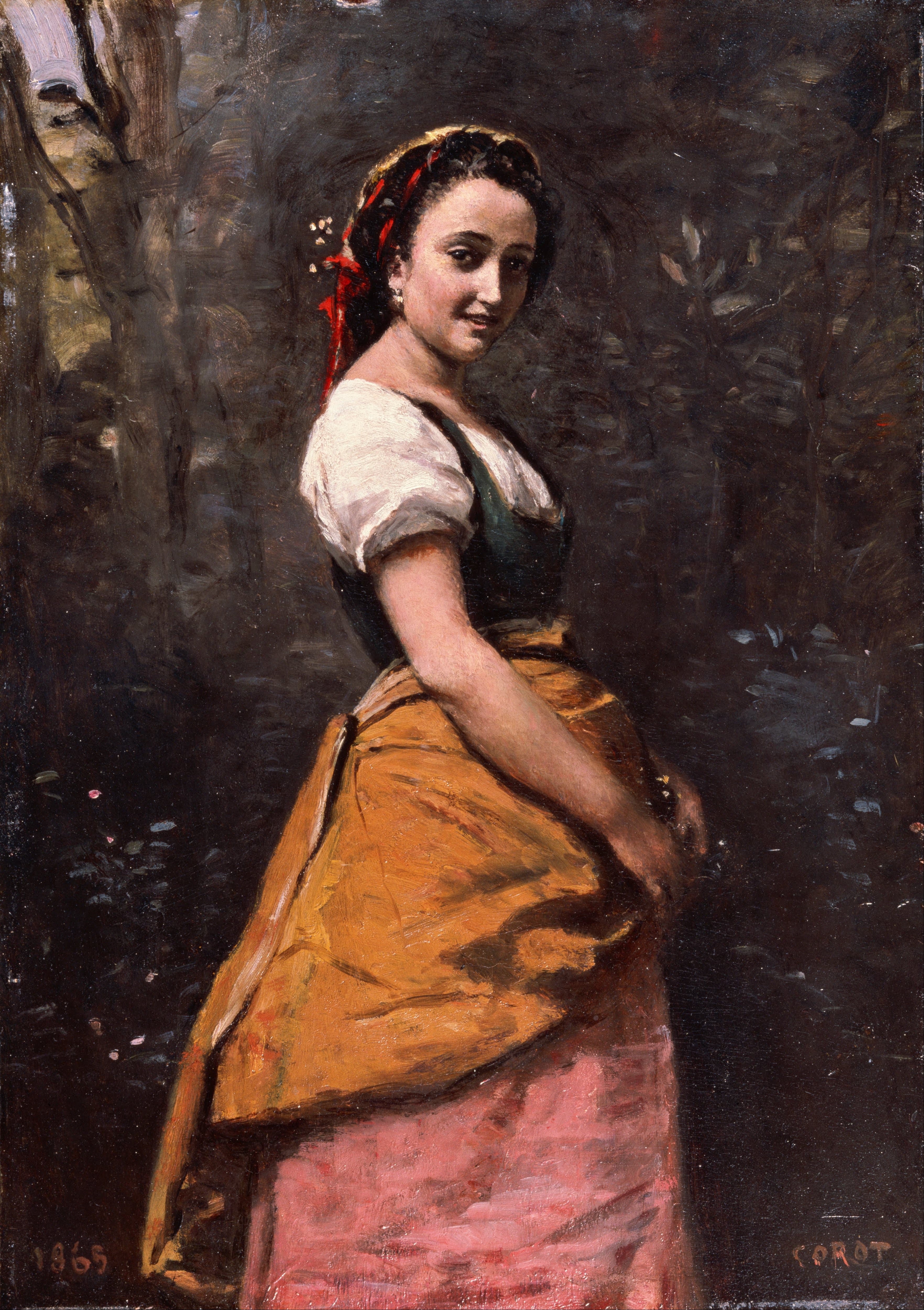
The Anxiously Attached
Anxious attachment is not about loving too much. That framing is wrong in a specific and important way. It is about a particular early learning: that closeness is available but unreliable, that the attachment figure could be present or absent without warning, and that the only strategy capable of managing this uncertainty is continuous vigilance. The infant logic that produces this vigilance does not expire when the infant grows up. It runs as the adult's operating system, running a surveillance architecture on every significant relationship, in search of the signal that finally confirms the fear.

The Avoidant
The avoidant person wants connection and flees it at the same time, not because they don't care, but because closeness and threat have become synonymous at a level below language, below intention, below the reach of wanting it to be otherwise.
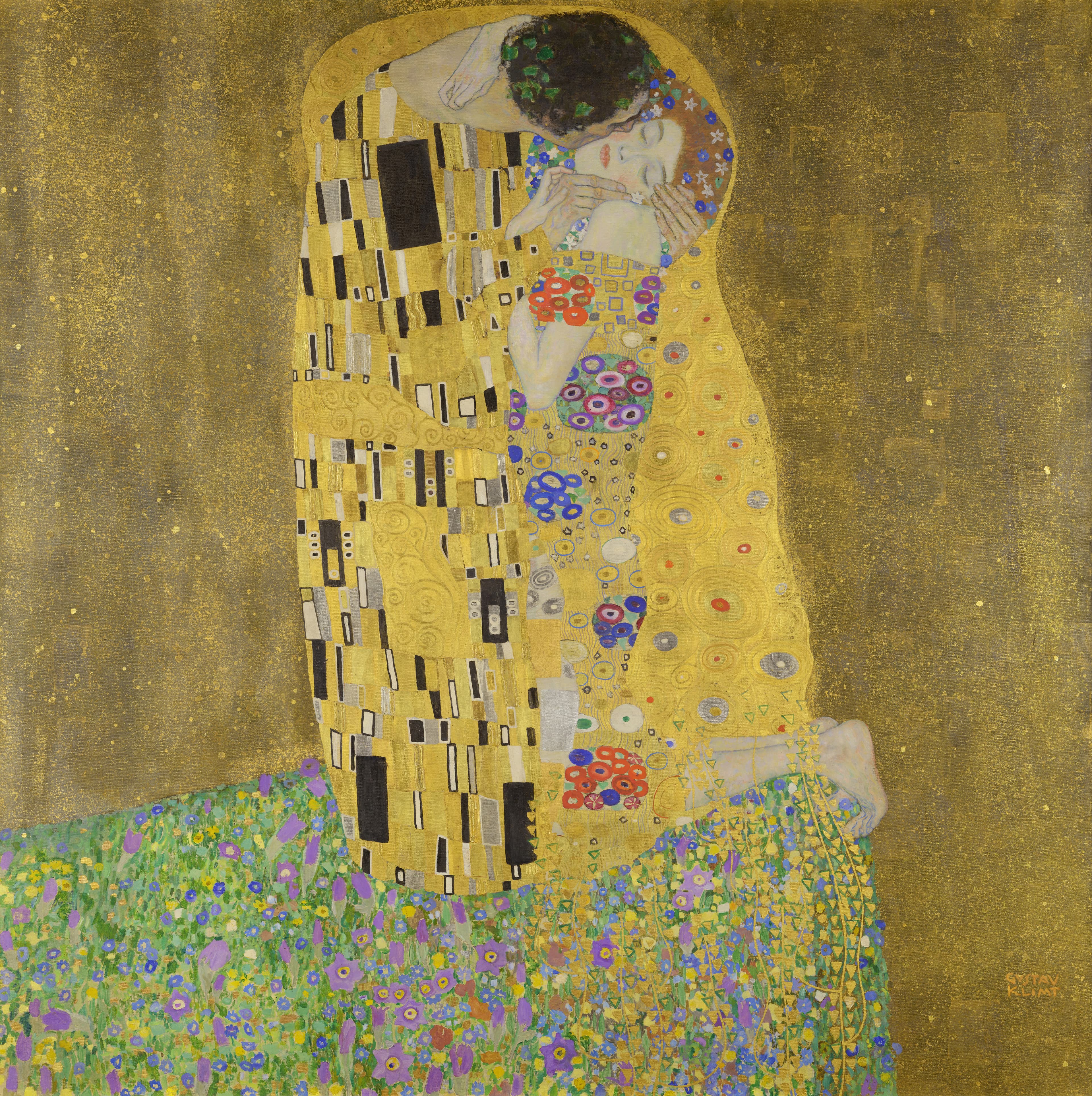
The Codependent
Codependency is not about loving too much. That framing is sentimental and incorrect. It is a self-organization strategy in which one person's identity, emotional regulation, and sense of worth become entirely dependent on managing another person's wellbeing. The wound produces the appearance of selflessness. The structure is something else.

The Empath
What most people call empathy, in the psychological sense, is often hypervigilance rebranded as a gift. The distinction is not semantic. One is a capacity. The other is a wound that learned to present beautifully.
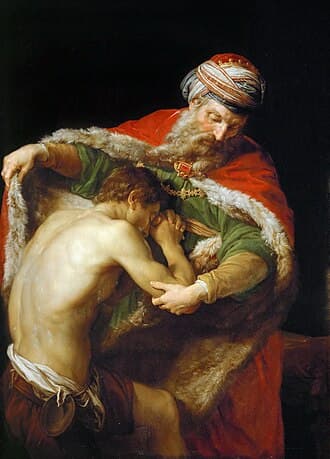
The Exile
To be cast out of a group is one of the oldest human threats. For most of our evolutionary history, exile meant death. What the archetype maps is what exile produces in the person who survives it: a specific kind of clarity that is only available from outside the walls.
The Golden Child
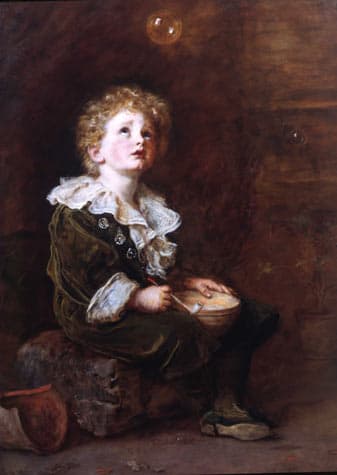
The Golden Child is not fortunate. They are assigned a function: to embody what the family cannot otherwise achieve, to be the proof that everything is fine, to perform excellence so convincingly that no one has to look at what lies beneath it. The cost of the function is the self that might have been if no one had needed them to be exceptional.

The Grandiose Self
Grandiosity is not a character flaw. It is an architecture, built in response to a specific early environment, in which the ordinary self was insufficient to secure the love or attention that was required. The bigness is not the problem. The bigness is the solution to the problem.
The Hero
The compulsive helper is not responding to the needs around them. They are responding to the anxiety that arises when they are not needed, which is a different thing entirely, and understanding the difference is what separates the hero archetype from actual helpfulness.

The Imposter
Imposter syndrome is not a confidence problem. It is a specific attribution error with a specific origin: the person learned, in some early and foundational context, that their achievements were either not theirs to own or were dangerous to claim. The external success is real. The internal experience of having earned it is not available.

The Inner Critic
It sounds like you. It uses information only you would have. It knows exactly where you are weakest and arrives there without delay. It is not you. It is a voice you built from someone else's material, running long after the original source has left the room.
The Martyr
The martyr suffers loudly and gives endlessly and keeps a precise internal ledger of every sacrifice that has gone unacknowledged, which is the detail that distinguishes martyrdom from generosity and reveals it as a control strategy organized around guilt.
The Narcissist
Narcissism is the most searched psychological term in common use, and the most commonly misunderstood. The clinical picture is not arrogance. It is a specific wound, assembled in early life, in which the developing self did not receive what it needed to build a stable interior. The grandiosity is not the problem. The grandiosity is the solution to the problem. Understanding the difference changes what is possible.
The Overachiever
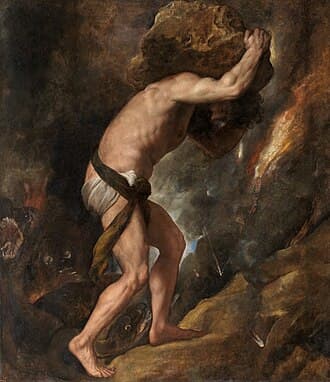
Achievement as wound management, disguised as ambition, the person who cannot stop not because they love what they do but because stopping means facing what the doing is holding at bay.

The Parentified Child
Parentification is not always dramatic. It does not require overt abuse or a visibly dysfunctional home. It requires only that the developmental contract be quietly inverted - that the child's job becomes managing the adult's experience rather than being managed by it. The cost of that inversion follows the child into every adult room they ever enter.
The People Pleaser
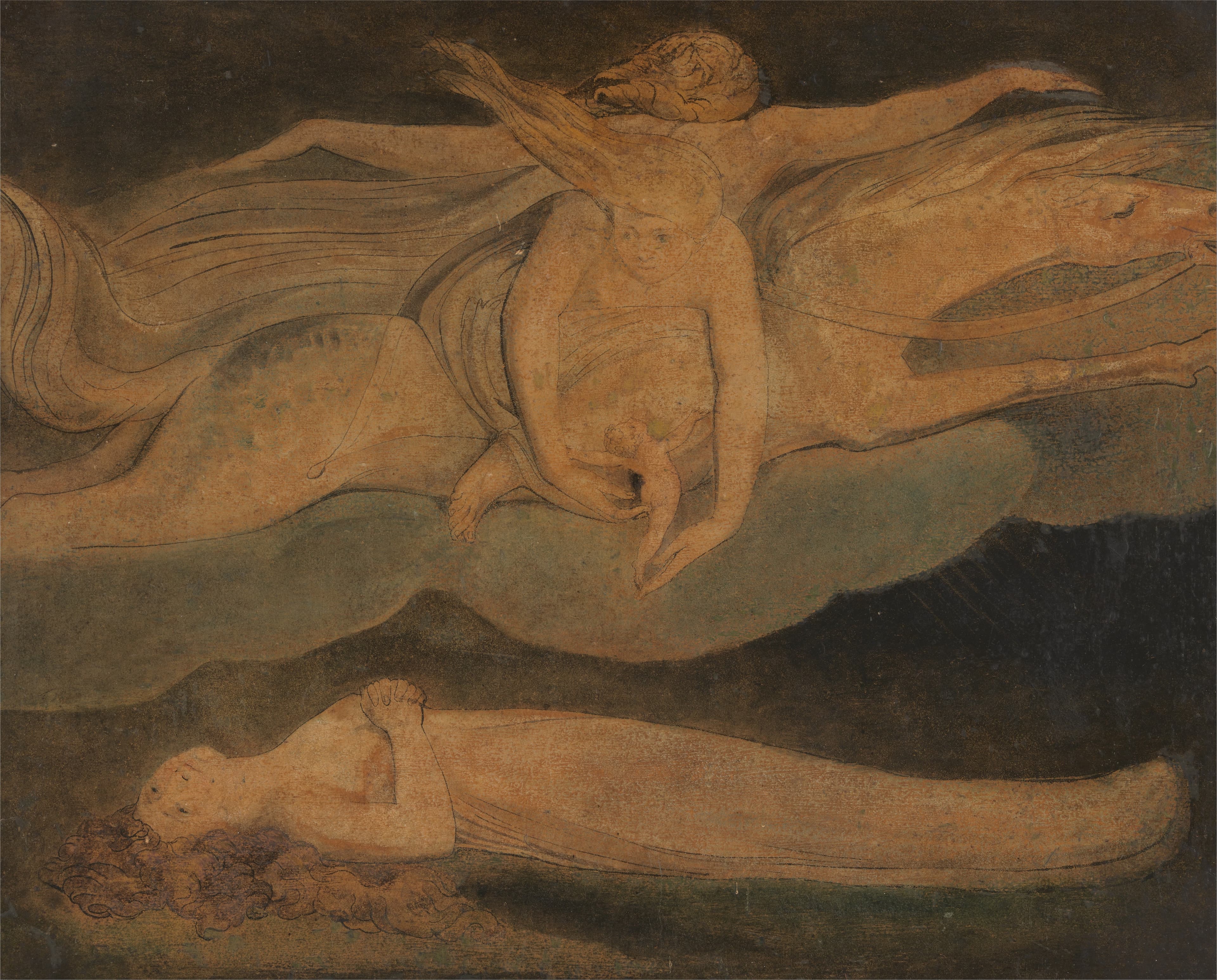
People pleasing is not kindness. It is fear wearing kindness's clothing, built in an early environment where other people's emotional states determined whether the person was safe. The yes that cannot be withdrawn, the need that cannot be stated, the anger that accumulates for years before it arrives all at once: these are not character flaws. They are the logical output of a specific survival architecture.

The Perfectionist
Perfectionism is not a high standard. It is a survival strategy from an environment where mistakes had consequences, repurposed as a way of never fully arriving and therefore never having to be evaluated.
The Rebel
The rebel's identity is built against something, which means the thing being rebelled against is doing as much structural work as anything the rebel has chosen for themselves. The question underneath is whether opposition is freedom or just a different kind of bondage.

The Scapegoat
Groups under pressure need a target. The target is almost never the actual source of the pressure. The target is whoever the group can agree on, and the agreement is what the group is actually building. Rene Girard named the mechanism. It has been running since before recorded history.

The Shadow
Not the evil part of you. The part of you that was declared unacceptable before you were old enough to negotiate the verdict. Everything you locked away to become someone the room would keep. The Shadow does not disappear. It finds other exits.