The Shadow
Not the evil part of you. The part of you that was declared unacceptable before you were old enough to negotiate the verdict. Everything you locked away to become someone the room would keep. The Shadow does not disappear. It finds other exits.
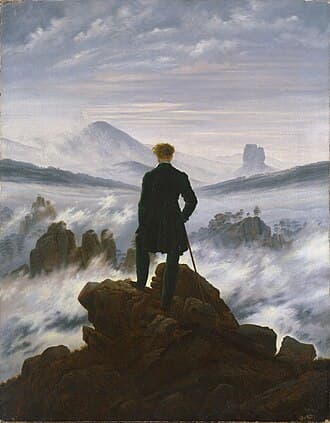
Disowned material that continues to organize behavior from outside awareness
Not applicable - this is an archetypal map, not a terrain map of a person
Projection - seeing in others what we have forbidden ourselves to know about ourselves
The Shadow is relational - it appears most reliably in the presence of people who carry what we have disowned
Integration costs - making the Shadow visible is uncomfortable and necessary
What Gets Locked Away
Jung's concept of the Shadow begins with a developmental observation: children learn, through the responses of caregivers and community, which parts of themselves are acceptable and which are not. The acceptable parts are cultivated and displayed. The unacceptable parts are not destroyed. They are pushed into the dark.
This is not a metaphor. The psychological process of disowning parts of the self is real, measurable, and consequential. A child who learns that anger is unacceptable does not stop being angry. They stop being able to know when they are angry. The anger does not disappear. It finds other routes.
The Shadow is everything the ego does not want to be, bundled and stored where the ego cannot see it.
The Persona and Its Cost
The persona is the public face - the self that was assembled to meet the requirements of the room. It is not false. It is built from real material. But it is selective: it includes what the environment rewarded and excludes what the environment penalized.
The cost of the persona is proportional to the distance between it and the material it is keeping out of view. A person whose persona is built around total competence is carrying, in the Shadow, all their uncertainty and inadequacy. A person whose persona is built around kindness is carrying, in the Shadow, all their capacity for rage.
"The Shadow is not the opposite of the persona. It is the remainder. Everything the persona could not accommodate went somewhere. The Shadow is the archive of everything you were told you were not allowed to be."
Projection as the Shadow's Address
The most reliable sign that Shadow material is active is projection: the experience of strong, disproportionate reaction to something in another person that is, in fact, material the observer has disowned in themselves.
This is not always obvious. The homophobe who is managing disowned desire. The person who cannot stand arrogance who is managing disowned grandiosity. The rigidly moral person who is managing disowned transgressive impulse. The pattern is the same in each case: the external target is carrying something the observer cannot allow themselves to carry, and the intensity of the reaction is proportional to how much is at stake in keeping it disowned.
The first step of Shadow work is using projection as a map: not "what is wrong with that person?" but "what am I looking at in them that I have locked away in myself?"
What the Shadow Wants
The Shadow is not malevolent. This is the most common misunderstanding. The Shadow is not the evil part of the person waiting to get out. It is the human part that was told it was unacceptable.
Integration - making the Shadow material visible and workable rather than hidden and operational - does not mean unleashing the disowned content. It means recovering access to it. The person who integrates their anger does not become rageful. They become able to know when they are angry, which means they can respond to anger rather than being run by it.
The paradox of Shadow work is that the material we are most afraid to own is usually the material that, once integrated, makes us more rather than less functional. The person who can know their own capacity for cruelty is less dangerous than the person who cannot - because the person who cannot will act from it without awareness.
The Shadow in Public Life
Institutions have Shadows too. Corporate cultures that insist on relentless positivity are running their collective grief and frustration through the Shadow. Political movements that define themselves entirely by what they oppose are often organized around disowned characteristics that the group cannot claim directly.
The larger the gap between the official persona and the disowned material, the more force the Shadow exerts. This is why the loudest moral crusaders often turn out to be enacting the very thing they have been campaigning against. The Shadow is not a flaw in the moral architecture. It is the pressure built up when the moral architecture refuses to make room for human complexity.
References
- Jung, C.G. Aion: Researches into the Phenomenology of the Self. Collected Works, Vol. 9ii. Princeton University Press, 1951. - Jung, C.G. Two Essays on Analytical Psychology. Collected Works, Vol. 7. Princeton University Press, 1953. - von Franz, Marie-Louise. Shadow and Evil in Fairy Tales. Spring Publications, 1974. - Bly, Robert. A Little Book on the Human Shadow. Harper & Row, 1988. - Johnson, Robert A. Owning Your Own Shadow: Understanding the Dark Side of the Psyche. HarperSanFrancisco, 1991. - Zweig, Connie, and Jeremiah Abrams, eds. Meeting the Shadow: The Hidden Power of the Dark Side of Human Nature. Tarcher, 1991.
---
Interpretive opinion based on the public record. Not a clinical assessment or diagnosis of any individual.