Events
26 mapsCultural moments mapped as psychological events. What they revealed, what they changed, what the surface could not hold.

The 2008 Financial Crisis
Thousands of highly intelligent people, operating inside systems designed to prevent catastrophe, built the catastrophe anyway. The terrain question is not how they missed it. It is what they needed to believe in order to keep going.
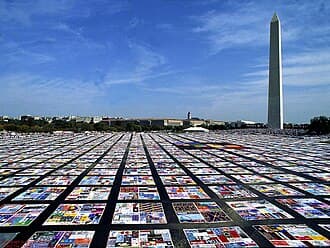
The AIDS Crisis
The way stigma determines which suffering registers. How a medical catastrophe was shaped less by the virus than by who the virus was perceived to affect first. What an entire generation did with grief that the culture refused to witness.

The Making of Apocalypse Now
Coppola set out to make a film about civilization's thin membrane over darkness, and the production systematically removed that membrane from everyone involved.
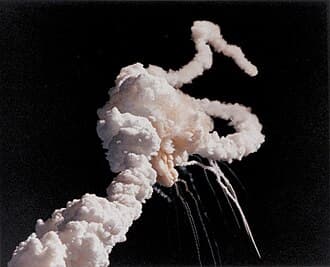
The Challenger Disaster
The engineers knew. They said so, in writing, the night before. What happened next is not a story about technical failure. It is a story about what institutions do to the truth when the truth is inconvenient - and what people do when the institution is louder than their own knowledge.
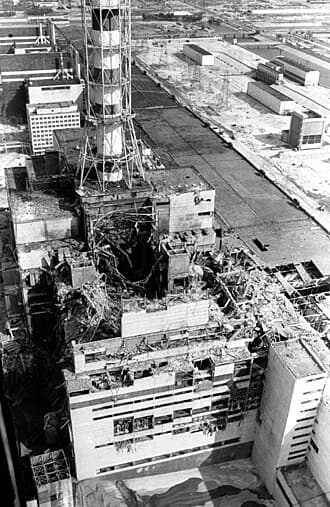
Chernobyl
What Chernobyl revealed was not primarily a story about nuclear power but about what happens when an entire system is organized around the suppression of bad news, and the reactor that exploded was in many ways the least important thing that failed that night.

Cobain - MTV Unplugged
A performance that reads, in retrospect, as a farewell. The man who hid behind distortion and volume forced into acoustic honesty - and the set list he chose, and the way he sang, and what the room received without knowing what it was receiving.
The Cuban Missile Crisis
For thirteen days in October 1962, the world survived not primarily because of strategic genius but because several individuals on both sides made unilateral decisions to step back from procedures that would have ended civilization, which is the part of the story that the official histories have always struggled to tell.

Diana's Panorama Interview
A woman who had been managed, packaged, and silenced by an institution that needed her image but not her interior - speaking directly to 23 million people, without permission, in the most watched television interview in British history. The institution never recovered.
The Enron Collapse
Enron did not fail because of a few bad actors. It failed because it built an institutional culture in which performance was systematically rewarded over substance, until the performance became the only thing anyone knew how to produce. The accounting was not a fraud layered onto a real company: it was the company's actual operating system.
The Fall of the Berlin Wall
The wall fell because a bureaucrat misread a memo and announced that the border was open immediately, and then no one could take it back, which is either a story about accident or a story about the moment when a structure that had already lost its psychological authority met the first gust of wind.
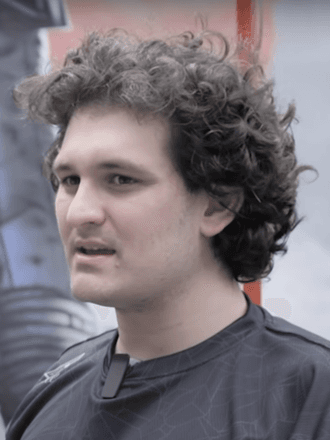
The Collapse of FTX
How effective altruism became a permission structure for fraud.
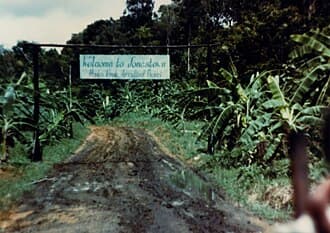
Jonestown
Not a story about manipulation. A story about what happens when an entire group of people find, in one place and one person, the belonging they could not find anywhere else - and what that leader does with that much need.

Kill Tony #574
A live comedy show as terrain event. Twelve comedians, one minute each, and a panel that extracts what the comedy was actually about. What the room surfaced and what it could not hold.
Kill Tony #763
One night where the Roast Master General sat for the full episode - a week after removing his chemo port - and the room did what the room always does: found the thing you would not want said, and named it with love. Comedy as survival. Comedy as proof of life.
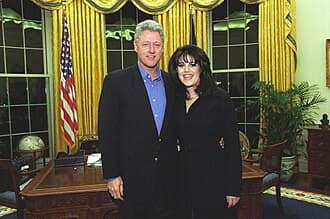
The Lewinsky Scandal
The most powerful man in the world and a 22-year-old intern. The scandal consumed the country. The power gradient was invisible to almost everyone at the time - including, for a while, Monica Lewinsky herself.
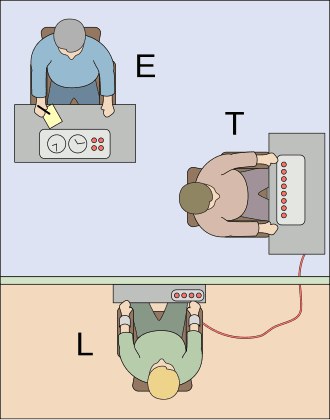
The Milgram Obedience Experiments
Sixty-five percent of ordinary people, when instructed by an authority figure, administered what they believed to be a 450-volt electric shock to a stranger who had stopped responding. They were not sadists. They were not broken. They were people inside a structure that had distributed the moral weight of the action until it felt bearable. This is the finding. It has never been comfortably explained away.
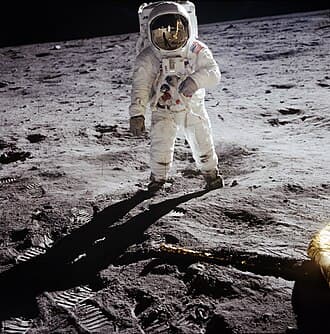
The Moon Landing
What collective aspiration looks like when it achieves form. The conditions under which humans are capable of the extraordinary. And what it reveals that those conditions were organized primarily by fear.

The O.J. Simpson Trial
The trial did not divide America. It revealed a division that was already there. A nation watched the same evidence and reached opposite conclusions - and the disagreement was never really about O.J. Simpson.
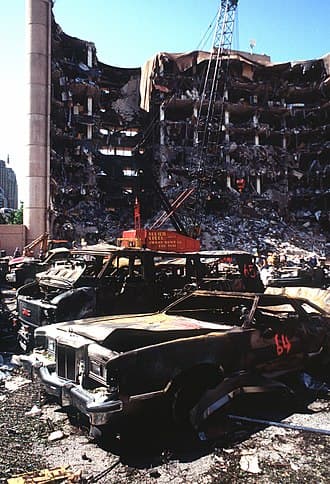
The Oklahoma City Bombing
The moment America discovered that the threat could come from inside. The cognitive reorganization required when the enemy is not foreign but domestic, not alien but a decorated veteran who looks like everyone's neighbor.

The Oscars Slap
Not a story about a joke gone too far. A story about a man who had spent thirty years building a flawless public architecture of warmth and control - and the moment the architecture could not hold what was underneath it.
The Salem Witch Trials
Salem is not a story about superstition. It is a story about what communities do with their anxiety when they cannot locate its source, and about the social functions that accusation serves when the accused have no reliable means of defense.
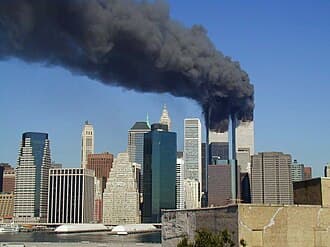
September 11
The attacks ruptured America's foundational belief in its own invulnerability, and the response to that rupture, shaped by leaders who understood the psychology of collective fear, extended the wound rather than healed it, writing trauma into the architecture of daily life for generations.
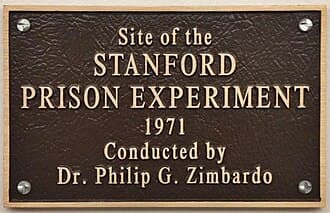
The Stanford Prison Experiment
Twenty-four ordinary college students were randomly assigned to play guards or prisoners in a simulated jail. Within six days it had to be stopped. The question the experiment actually answered is not the one it was designed to ask.

Tiger Woods - November 2009
The car left the driveway at 2:25 a.m. and hit a fire hydrant. What came out afterward was not a story about infidelity. It was a story about what happens when an identity built entirely on performance has no private self beneath it.